Chicago, captivating an audience of business leaders, policymakers, and journalists with his characteristic mix of bravado and policy proposals. Held at the Fairmont Hotel, just steps from the Chicago Millennium Hotel, where one press member reportedly booked a room with “questionably sheeted” beds, the event drew both fervent supporters and vocal critics. Outside, protesters chanted that Trump was “not welcome in Chicago,” while inside, a crowd of bleary-eyed attendees, many nursing early-morning coffees, prepared for an event that promised controversy and conviction in equal measure.
The Economic Club of Chicago, a forum known for hosting influential voices shaping the global economy, provided the ideal backdrop for Trump’s address. With an audience of CEOs, policymakers, and journalists assembled, Trump framed his speech around themes of economic independence and national resilience. Central to his vision were his hallmark policies, particularly tariffs, which he described as critical tools for restoring America’s economic sovereignty.
Tariffs: The Beautiful Word
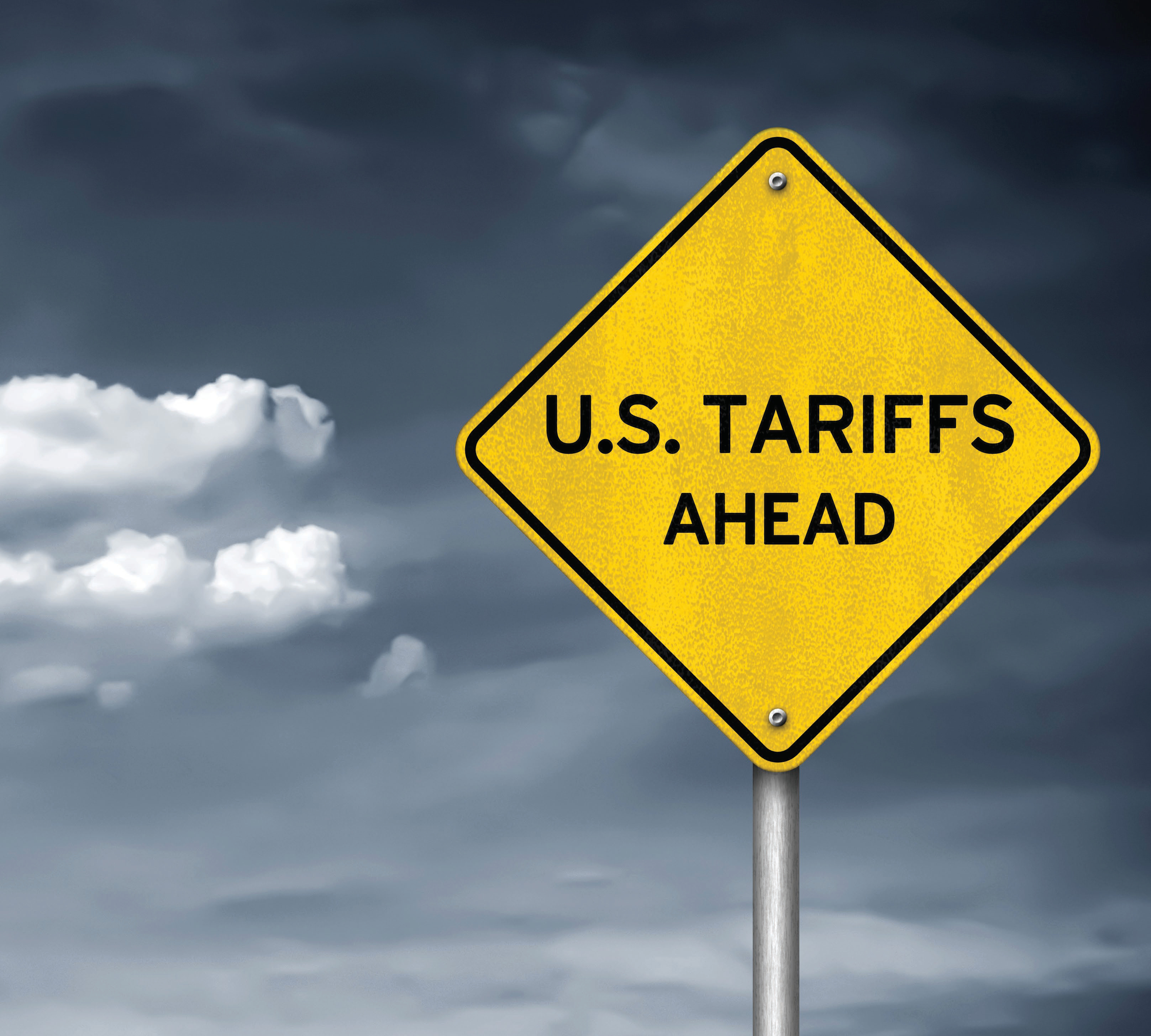
“To me, the most beautiful word in the dictionary is tariff,” Trump quipped, prompting a mix of laughter and applause from the audience. He presented tariffs as an instrument of both economic protection and international leverage, emphasizing their role in revitalizing American manufacturing. Trump contended that tariffs strengthen domestic industries, ensure fair competition, and safeguard national security.
However, the economic consequences of such policies tell a more complicated story. Research on the tariffs imposed during Trump’s presidency, such as the 2018 duties on imported washing machines, reveals that while domestic production increased modestly, consumers bore the brunt of higher prices. An academic study found that American households collectively paid
$1.5 billion more for appliances, amounting to a staggering $815,000 per job created during the first year of the tariffs (Peterson Institute for International Economics, 2019). Additionally, when foreign nations retaliate, as China did during the U.S.-China trade war, the economic repercussions can ripple across industries. In this case, retaliatory tariffs on agricultural goods led to billions in government subsidies to offset losses for American farmers (Zakaria, 2024).
These examples highlight the regressive nature of tariffs, which act as consumption taxes that disproportionately impact lower-income households. While Trump argued that tariffs foster economic independence, critics counter that they raise costs for consumers while offering limited long-term benefits to domestic industries.
Broader Economic Implications
Sweeping tariff policies, like those Trump proposed at the event, could have far-reaching consequences for the U.S. economy. The Peterson Institute (2024) estimates that such measures could reduce GDP by up to 9% by 2028 while increasing inflation by as much as 7% within the next two years. These figures underscore the potential risks of protectionist trade policies, which can isolate the U.S. from global markets and strain relationships with key allies.
Moreover, the political implications of tariffs are significant. Historically, tariffs have often benefited well-connected industries and lobbyists rather than achieving widespread economic gains. For instance, exemptions from tariffs during Trump’s administration were more likely to be granted to companies that had made political contributions to Republican campaigns (Zakaria, 2024). This favoritism not only undermines trust in economic policymaking but also creates inefficiencies that hinder equitable economic growth.
Trump’s Vision: Bold Leadership or Economic Isolation?
Despite the critiques, Trump remained unapologetic, insisting that his approach to tariffs represented decisive leadership. Engaging in a spirited exchange with Bloomberg Editor-in-Chief John Micklethwait, he dismissed concerns about the inflationary effects of tariffs, asserting, “You’re wrong.” For Trump, leadership is defined by strength, independence, and a willingness to challenge conventional economic wisdom.
Trump also tied his vision for economic policy to broader themes of national resilience, arguing that tariffs could reduce dependency on foreign supply chains and foster self-sufficiency in critical industries. Critics, however, argue that this approach risks alienating allies and exacerbating global tensions at a time when international cooperation is paramount.
Charting a Path Forward
Trump’s address at the Economic Club of Chicago showcased his commitment to an “America First” agenda. While his rhetoric resonates with a base that values self-reliance and industrial revival, the broader economic implications of his policies invite scrutiny. Tariffs, while appealing as a symbol of economic strength, carry costs that extend beyond their immediate benefits, often exacerbating inequalities and straining international relationships.
As the U.S. navigates a fractured world, the challenge will be to balance visionary leadership with pragmatic policies that sustain growth, foster global cooperation, and protect vulnerable populations. Trump’s vision, as bold and unfiltered as ever, remains a focal point of debate in the ongoing conversation about America’s economic and political future.
References
Peterson Institute for International Economics. (2019). The economic impact of tariffs on U.S. households. Retrieved from [Institute’s website].
Zakaria, F. (2024, October 20). Global Public Square: America First. CNN. Retrieved from [CNN’s website].
Creative Credits
- Written by
- Jane Boykun
- Illustration
- gguy