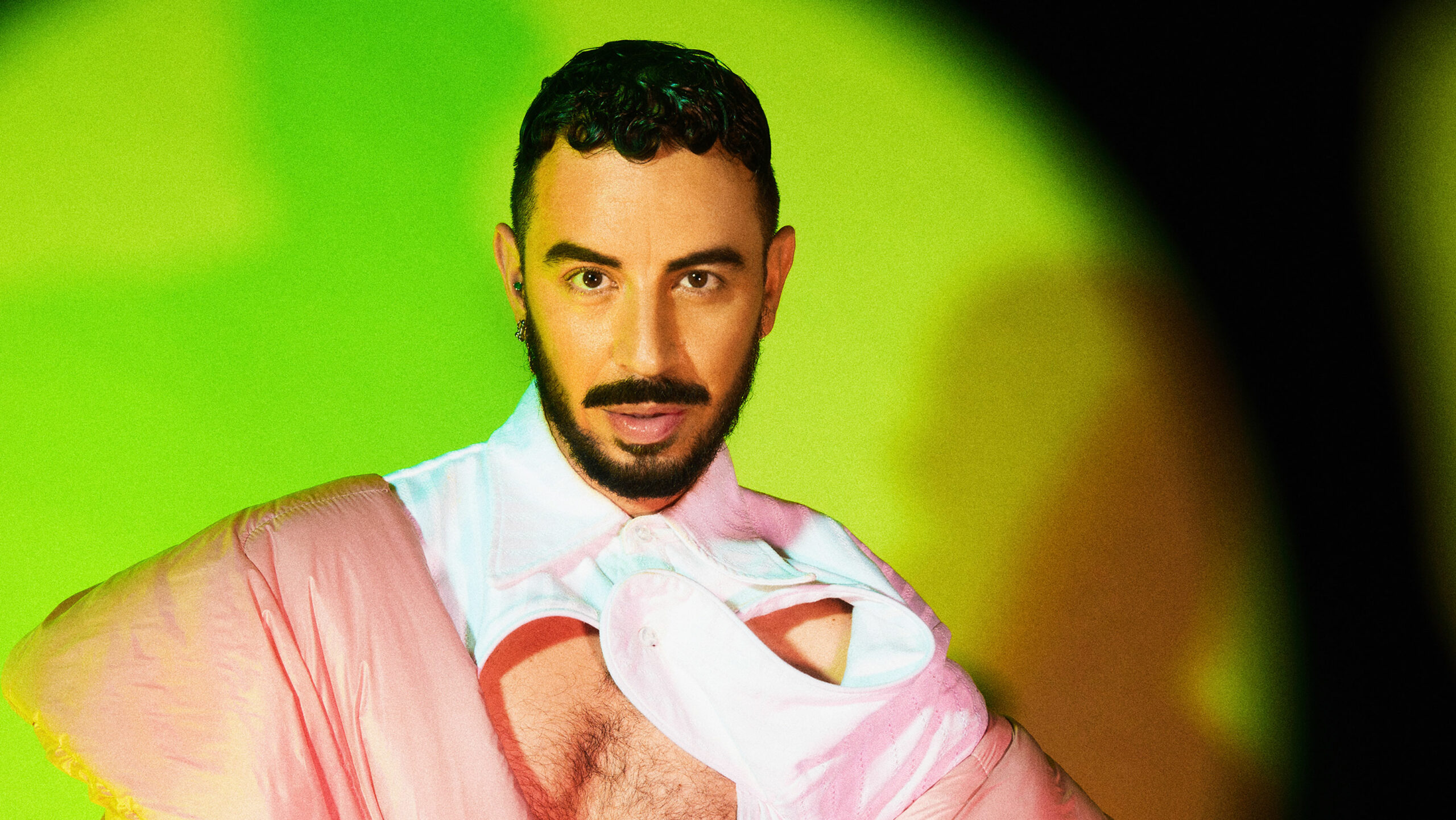
At the heart of photographer Josef Jasso’s work is his love for storytelling. Growing up as a child in New Mexico, Jasso was inspired daily by New Mexico’s beauty and culture—its picturesque sunsets and landscapes—and ultimately influenced by its backdrops and events to tell stories through imagery. Combined with his dabbling in music, painting and drawing, Jasso’s creative background was the preparation for his relocation to LA. In a city where it’s all about ‘making it’ and who you know, Jasso’s relaxed approach has brought him the clients he’s always wanted to work with—a testimony to him being the master of his own destiny and the director of his own life movie. I caught up with Josef on a Sunday afternoon at the Roosevelt Hotel in Hollywood to chat about New Mexico, his work with icons Dita Von Teese, Amanda Lepore and Patricia Fields, and where he sees himself in five years.
Let’s talk about how you got started; I’m a huge fan of your work! Where did you grow up?
I've been in Los Angeles, it's been 12 years now, but I'm originally from New Mexico. I'm from Albuquerque and, yeah, I mean, New Mexico shaped me. I lived there for a very long time, until I was about 27, and I pretty much exhausted all of my resources and everything I could accomplish out there. That's why I moved to LA, so that way I can shoot further and do more and grow. If you love nature, I mean, the sunsets there every single day are spectacular. It's like every single color in the sky at sunset. The culture is amazing; there are so many things to do, the people are incredible, and the light there…I always called it, “God's light.”
When you decided that you were going to be an artist, what was the first thing that inspired you? What was that moment like? How old were you?
When I was younger, I tried my hand at drawing and painting and music. I took an interest in all of it, but I wasn't good at any of it. And photography was something I discovered later on. You know, what's kind of funny is, photographs are documents. I viewed them literally as just documents. So to me, photographs were taking pictures of my family or my friends or the things that I liked. Still, I never considered it as an art form until I saw other photographers and their work. I realized these are all conceptual stories that were created and curated and put together to tell the story with the photograph. It wasn't until I viewed photographs as art did I change my mind about photography.
What was your training like? How did you learn photography? Was it just something that you picked up naturally because it is technical?
You know, it's interesting. I went to school at the University of New Mexico and I studied photography and fine art. Since I was in a place where the type of photographs I took wasn't like a big business there, I couldn't have a solid career in New Mexico. That's why I left it. I took it as an opportunity for me just to constantly create. So basically any idea I had, I would ask my friends or the very few models that were there or anybody that even I thought would work for ideas that I had, and I shot them. So, you know, for years it was just trial and error and I think I shot everybody in New Mexico, and through that, I developed a style.
Can you talk about the campaigns you’ve worked on?
I would say the first few years that I lived here, I would spend all night working, editing in the middle of the night to like five in the morning. I worked with l.a.Eyeworks and it was kind of great. They asked me to participate in a new project that they had and it was called Uncensored Visions and it was an artist feature. They caught wind of my work and they took a meeting with me and told me I can have carte blanche in creating imagery, but I'd have to set it all up myself. They gave me a kit of glasses, and it was kind of like do whatever you want as long as it's usable. You know, so feel free to be uncensored to do whatever you want. So, you know, I knew the brand already and I'm very familiar with the imagery that they had already established, which is pretty iconic, the black and white photographs. What I decided to do was the total opposite. The only way I felt I could stand out in something like that is to create something different from what they already had. I did bold colors and I shot them flat. My inspiration for the very first campaign was Andy Warhol's celebrity photos. It was intended to be just a one-off artist feature and it's turned into 10 years of shooting.
You've been compared to David LaChapelle. How do you feel about that?
I’ve met him in person. I don't know; I mean I feel like our similarities are that we shoot some of the same and have shot similar people. Honestly, I feel like a lot of photographers, that's the case, you know, especially here in LA, all kind of shoot a lot of the same people. I would say that we both share a love for color. I love to shoot people who come off a little bit more eccentric sometimes. And you know, his imagery is eccentric. So I think, with color and maybe some of the people that we photograph, that's similar.
From your work with l.a.Eyeworks, you had a chance to meet Rose McGowan. What was it like working with her? You created some really good stuff!
We've done three things together. The very first time I shot Rose was for l.a.Eyeworks. I had been wanting to work with her for a long time. I’ve been a big fan of her movies, and I just like her attitude. She's a cool alternative chick, and she's a badass and strong. And I reached out to her about shooting for the brand. And, you know, a lot of time went by. Then out of the blue, she messaged me back, like months later [and said she’d love to do it]. “When can we do it? Let's do it tomorrow!” So, with the book, she texted me out of the blue, and she's like, “Look what I did,” and she shaved her head. I was like, oh my god, we have to document this. We have to shoot this. She's like, “Yeah, I know. I'm flying into LA. I'll be there tomorrow. Let's shoot this week.” And I was like, great, let's do it! When I gave her the photograph, she told me, “Wow. This looks like the most me I've ever seen, and she's been photographed by everybody.” That's why Instagram's so great and the internet's so great because now we can do research and I can get a feeling of this person and then I can create images based on things that they said or done or that I know about them. So we tailored it for her.
You shot Rose, you had Lisa Rinna, Dita Von Teese, Pat Fields and Amanda Lepore. I’d like to talk about your collaborative process with Lepore because you've shot so many projects together. What’s it like to work with her?
Amanda Lepore, to me, is the ultimate. If there's anybody that, every time I photograph, is always the most glamorous, the most exciting, somebody who always is the most prepared and just loves to be photographed, it's her. Sometimes working with people—for the most part, it's always great—but you know, sometimes they never are how they appear. With her, it's even more. Like, she genuinely loves to be photographed. You know, it's not work for her. It makes her happy. She's very passionate. And there's this excitement and joy to be photographed. It's insane. I see, and you can see that, right? It comes out in the photographs. She loves to be photographed. I mean, she looks amazing. She looks incredibly stunning.
Is there anyone that you are dying to shoot? Your dream person? Or what's the dream project?
You know, there's a few people, but I think the reason initially I started working with personalities was kind of to prove a point. When I first started shooting, it was to get to a point where I felt like I took great images. And then, to see the response to them inspired me to reach for the people that inspired me to become an artist. I don't say, like, I shoot everybody. I'm not that person and I don't think I would be as excited to shoot everybody. I really kind of just work with the people that inspired me during my formative years or I'm just really into, you know. I've been blessed in the sense that I've gotten to work with a lot of them. I shot Elvira and she was from my formative years. I call it [the] Holy Trinity, and it's Amanda Lepore, who I've gotten to shoot many times; Elvira; and my ultimate of that list would be Pee-wee Herman. [Paul Reubens, the actor who played Herman, passed away in the time since we spoke with Jasso.]
I'm interested in hearing about your process. When you're getting into a concept, what is that like for you? Because I know when I've done it myself, it seems repetitive and it feels repetitive. How do you keep it fresh?
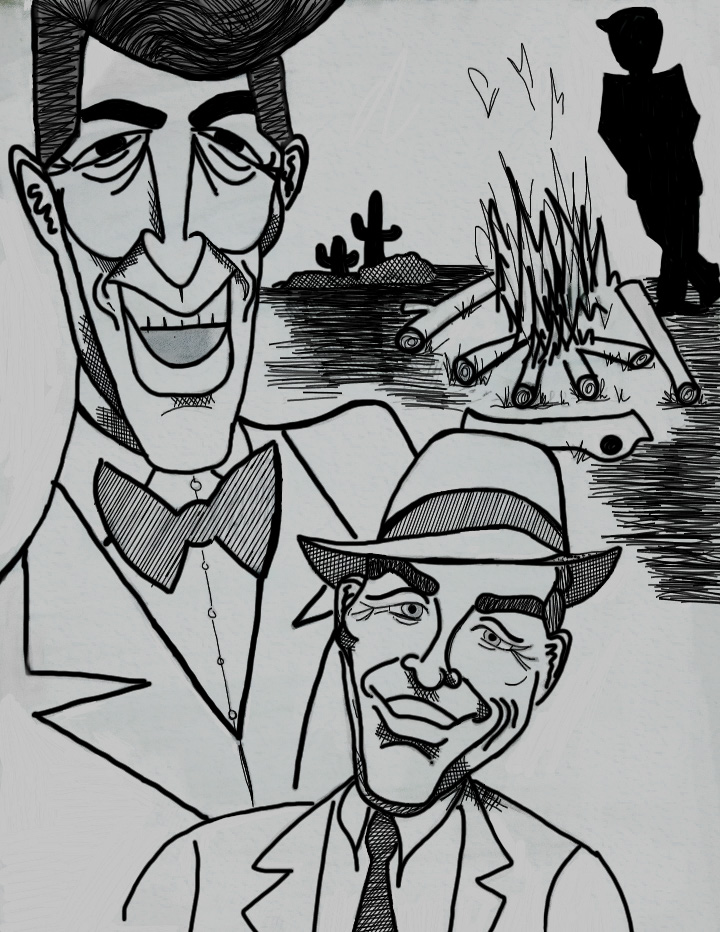
The images are tailored to who I'm working with, so that could be the actual people I'm photographing. I think the initial concepts come from me. And what I like to do, instead of mood boarding so much, because I feel like a lot of times—and everybody does it different—but I feel like mood boarding is kind of like pulling other ideas that already exist and kind of figuring out new ways to do that. I don't like to do that because I feel like it's comparing. It's really silly, but I draw sketches and they're really funny, bad cartoons, but it gives an idea of exactly what I'm trying to do. I'm very blessed that I get to work with a team of excellent people. I work with super masterful hair people, makeup people and wardrobe people. Everyone that I work with is super talented, so they take that idea and through their expertise elevate it.
Where do you see Josef Jasso in, let's say, five years?
I want to do more gallery shows. I want to publish a book. What's important to me right now isn't necessarily as important to me when I first moved here. I want to focus more on storytelling, especially connecting. I think it's great to take sexy and cool photos, and I'll always want to do that, but I think it's also important to create imagery that connects with people on an emotional level as well. I want people to see my work and connect to them and remind them of something that they went through either positive or negative. Feelings are important, the good ones and bad ones. And I think, with fashion, it's always kind of projecting this happiness and this joy and this selling something under being happy. But, you know, there's nothing wrong with sad imagery too. It helps you heal and helps you grow.
Creative Credits
- Written by
- Christina Anastasiou